

Introduction
Finding the best sunscreen for oily skin can be challenging. Many sunscreens feel heavy, greasy, and can clog pores, leading to breakouts. However, skipping sunscreen is not an option—UV damage can worsen acne, cause premature aging, and damage your skin barrier.
In this guide, we’ll help you choose the right sunscreen for oily skin and avoid common mistakes.
Why Oily Skin Still Needs Sunscreen

Even if your skin is oily, sunscreen is essential.
UV exposure can:
- Increase oil production
- Cause acne inflammation
- Lead to dark spots and acne scars
- Accelerate skin aging
Daily sunscreen use helps keep your skin healthy and balanced.
What to Look for in Sunscreen for Oily Skin
✔ 1. Oil-Free Formula
Choose sunscreens labeled:
- Oil-free
- Matte finish
- Sebum control
These help reduce shine throughout the day.
✔ 2. Non-Comedogenic
Non-comedogenic products are designed not to clog pores, making them ideal for acne-prone skin.
✔ 3. Lightweight Texture
Best textures include:
- Gel
- Water-based
- Fluid
Avoid thick creams that can feel greasy.
✔ 4. Broad-Spectrum Protection
Always choose sunscreen that protects against:
- UVA (aging)
- UVB (burning)
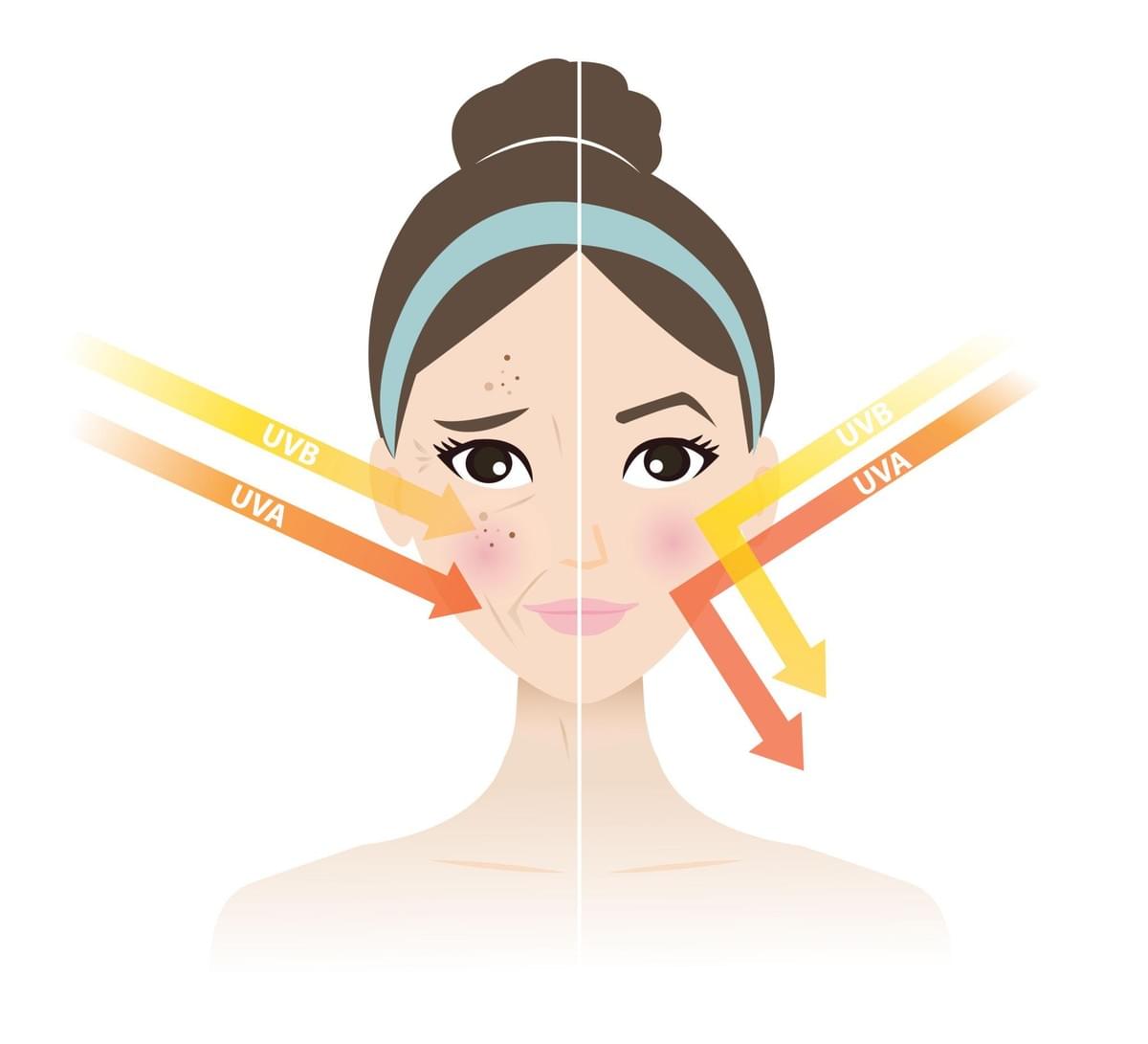
Look for SPF 30 or higher.
Ingredients to Avoid
If you have oily skin, avoid:
- Heavy oils (coconut oil, mineral oil)
- Alcohol-heavy formulas (can trigger oil rebound)
- Thick occlusive ingredients
Best Types of Sunscreen for Oily Skin
1. Gel Sunscreen
- Lightweight
- Fast absorption
- No greasy residue
2. Matte Finish Sunscreen
- Controls shine
- Ideal for hot climates
3. Water-Based Sunscreen
- Breathable
- Suitable for daily wear
How to Apply Sunscreen Properly
- Apply 15 minutes before sun exposure
- Use the “two-finger rule” for the face
- Reapply every 2–3 hours
- Use blotting paper if skin gets oily
❌ Common Mistakes for Oily Skin
- Skipping sunscreen because of oiliness
- Using thick cream formulas
- Not reapplying during the day
- Using too little product
🌿 Tips for Managing Oily Skin with Sunscreen
- Use a gentle cleanser before applying sunscreen
- Apply a lightweight moisturizer if needed
- Choose mattifying sunscreen formulas
- Carry blotting paper for touch-ups
🏭 For Skincare Brands: Why Oily Skin Sunscreen Sells
Oily skin is one of the most common skin types globally, making it a high-demand category.
Benefits:
✔ High repeat purchase rate
✔ Strong market demand
✔ Ideal for private label products
📞 Conclusion
Choosing the best sunscreen for oily skin doesn’t have to be difficult. Focus on lightweight, oil-free, and non-comedogenic formulas that protect your skin without clogging pores.
👉 Looking to launch your own sunscreen line? Contact us for private label sunscreen solutions.
❓ FAQ
What is the best sunscreen for oily skin?
Gel-based, oil-free, and non-comedogenic sunscreens are best.
Can sunscreen cause acne?
Yes, if it clogs pores. Choose non-comedogenic formulas.
Is SPF 50 better for oily skin?
Yes, but texture matters more than SPF level.