

Introduction
In 2026, the success of a private label shampoo is no longer determined by a single “hero ingredient.” Instead, it depends on a well-balanced ingredient system that delivers results across cleansing, scalp care, hydration, and repair.
Today’s consumers are more informed than ever. They read ingredient lists, compare formulations, and look for products that combine:
- Mild cleansing
- Scalp health support
- Deep hydration
- Structural hair repair
This is why modern shampoo development is shifting toward multi-functional ingredient systems, rather than single-claim formulas.
The Foundation: Mild & Effective Cleansing Ingredients
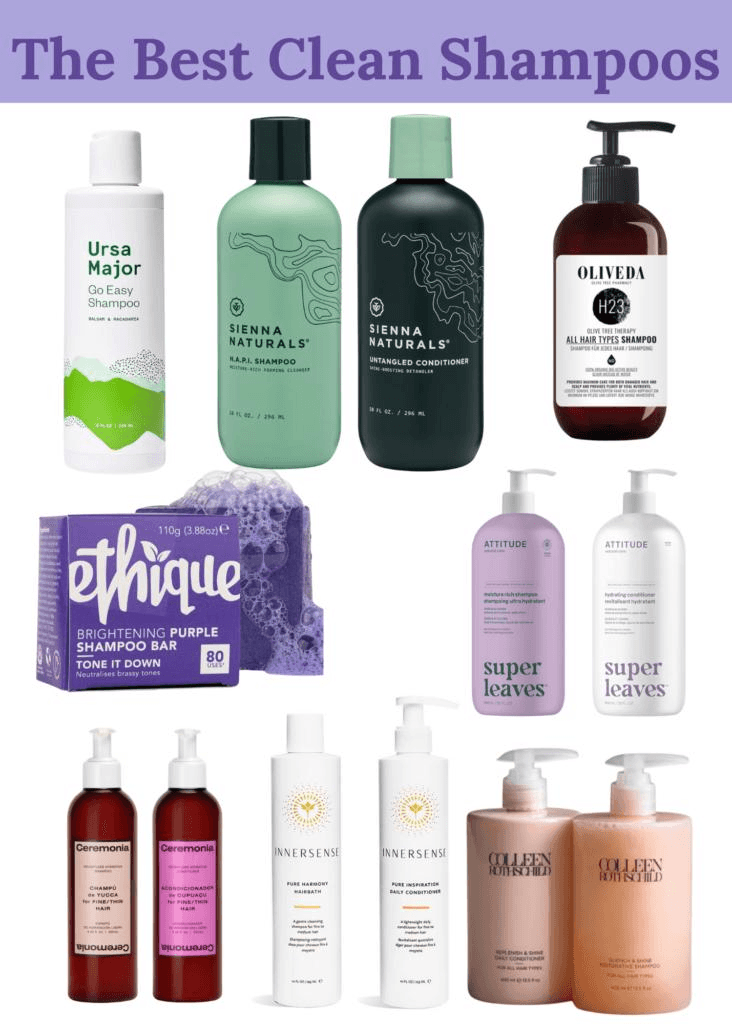
A high-quality shampoo starts with its cleansing base.
Traditional Surfactants (SLS/SLES)
- Strong cleansing power
- High foam performance
- ❌ Can strip natural oils
- ❌ May irritate sensitive scalp
Modern Mild Surfactants
- Amino acid-based surfactants
- Glucose-based surfactants
- ✔ Gentle on scal
- ✔ Maintain moisture balance
- ✔ Suitable for daily use
👉 Trend Insight:
“Sulfate-free” and “low-irritation” are now baseline expectations, not premium features.
Botanical Extracts: Natural Yet Functional
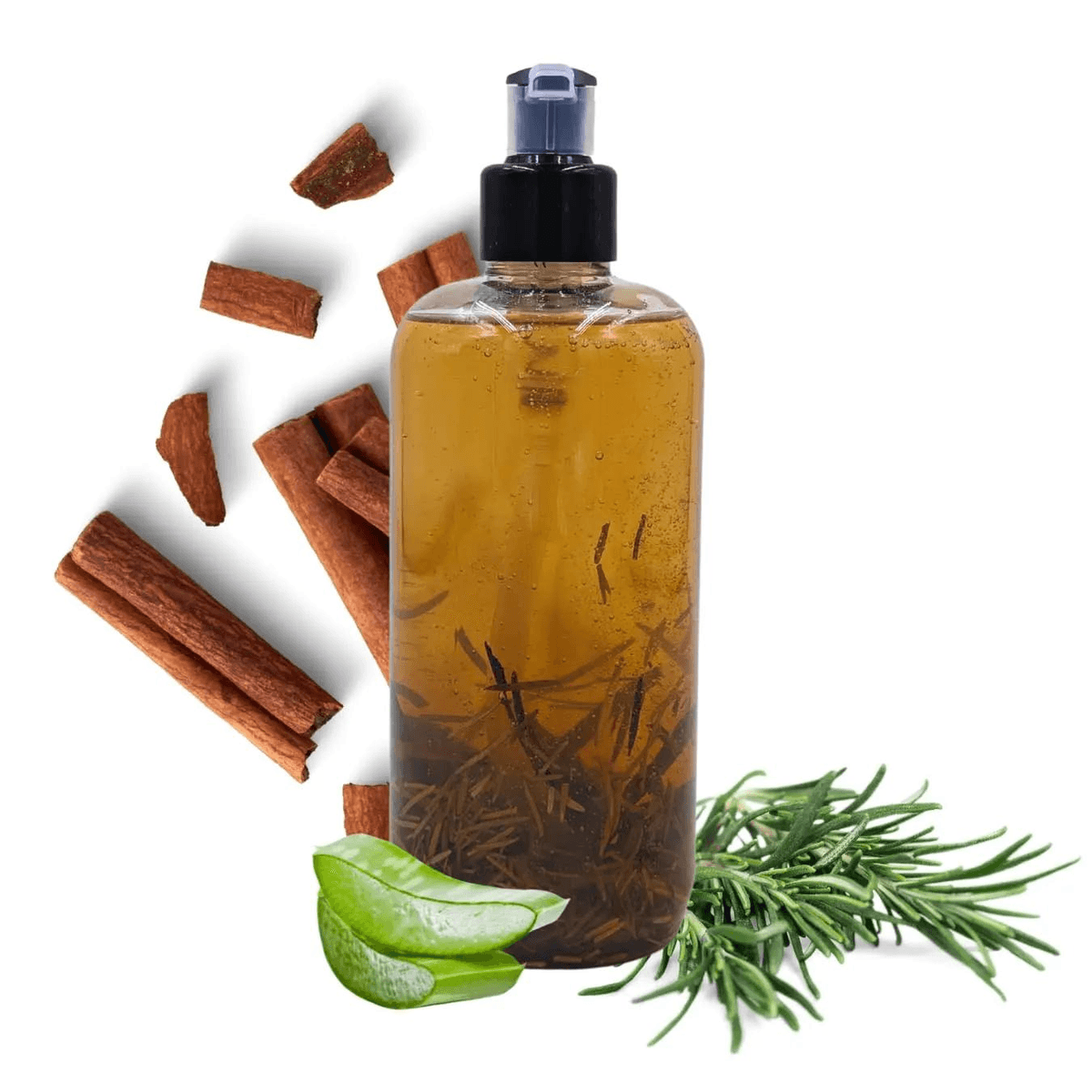
Plant-based ingredients are no longer just marketing tools—they now serve real functional purposes.
Sapindus (Soapberry) Extract
Highlighted in your product:
- Natural source of saponins (gentle cleansing agents)
- Helps remove dirt without over-drying
- Supports scalp balance
- Adds a “clean beauty” appeal
👉 Compared to synthetic cleansers, it offers a softer, more skin-friendly experience
Anti-Dandruff & Scalp Balancing Ingredients
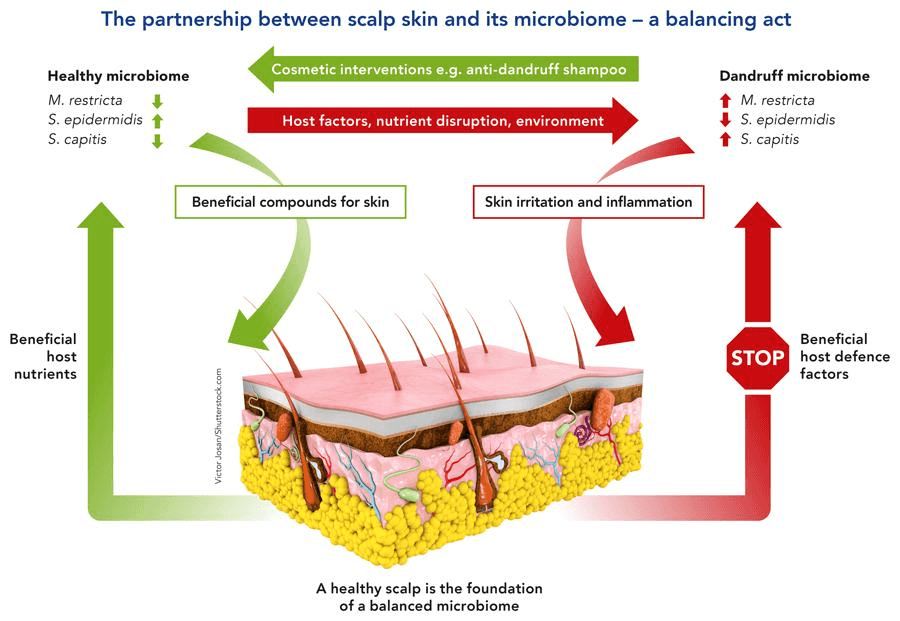
Dandruff and scalp imbalance remain top consumer concerns.
Common Active Ingredients:
- Piroctone Olamine
- Zinc PCA
- Salicylic Acid
Functions:
- Reduce visible flakes
- Control excess oil
- Soothe irritation
- Maintain scalp microbiome balance
👉 These ingredients are essential for creating a long-lasting clean and fresh feeling
Moisturizing & Conditioning System
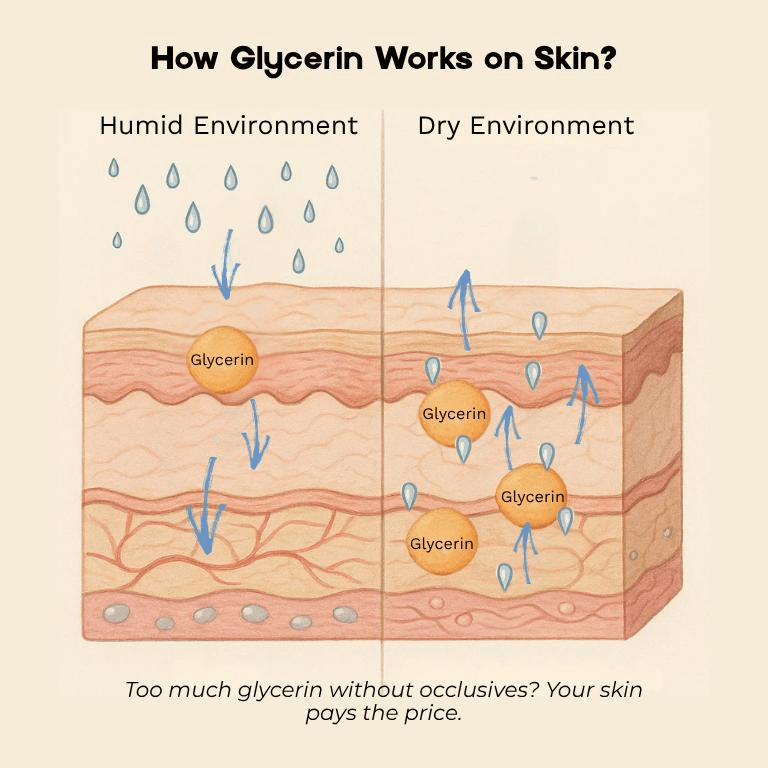
Hydration is critical, especially for damaged or chemically treated hair.
Key Ingredients:
Panthenol (Pro-Vitamin B5)
- Improves elasticity
- Reduces breakage
- Adds softness
Glycerin
- Attracts moisture
- Prevents dryness
Conditioning Agents
- Smooth cuticles
- Improve detangling
👉 Without proper hydration, even the best repair ingredients cannot perform effectively.
Repair Ingredients: Surface vs Deep Care
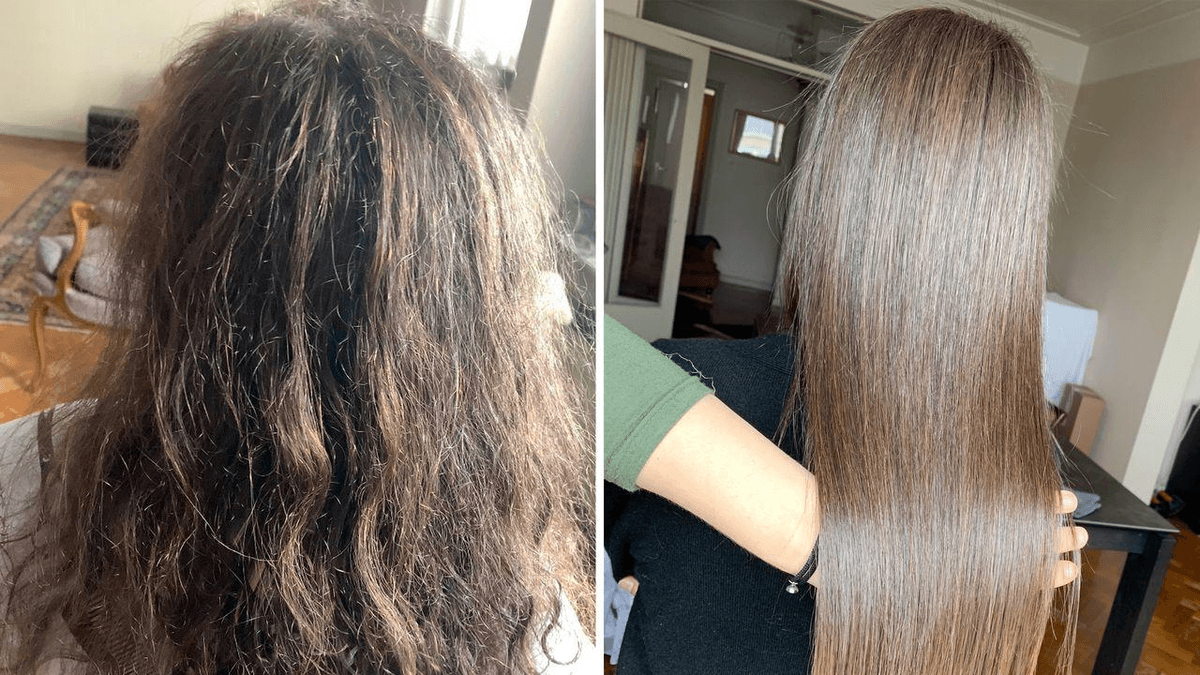
Hair repair ingredients can be divided into two categories:
Surface-Level Repair
Keratin / Hydrolyzed Proteins
- Fill damaged areas temporarily
- Provide instant smoothness
- Improve appearance
Limitations:
- Washed away easily
- Do not improve scalp condition
The Upgrade: VB12 in a Modern Shampoo System
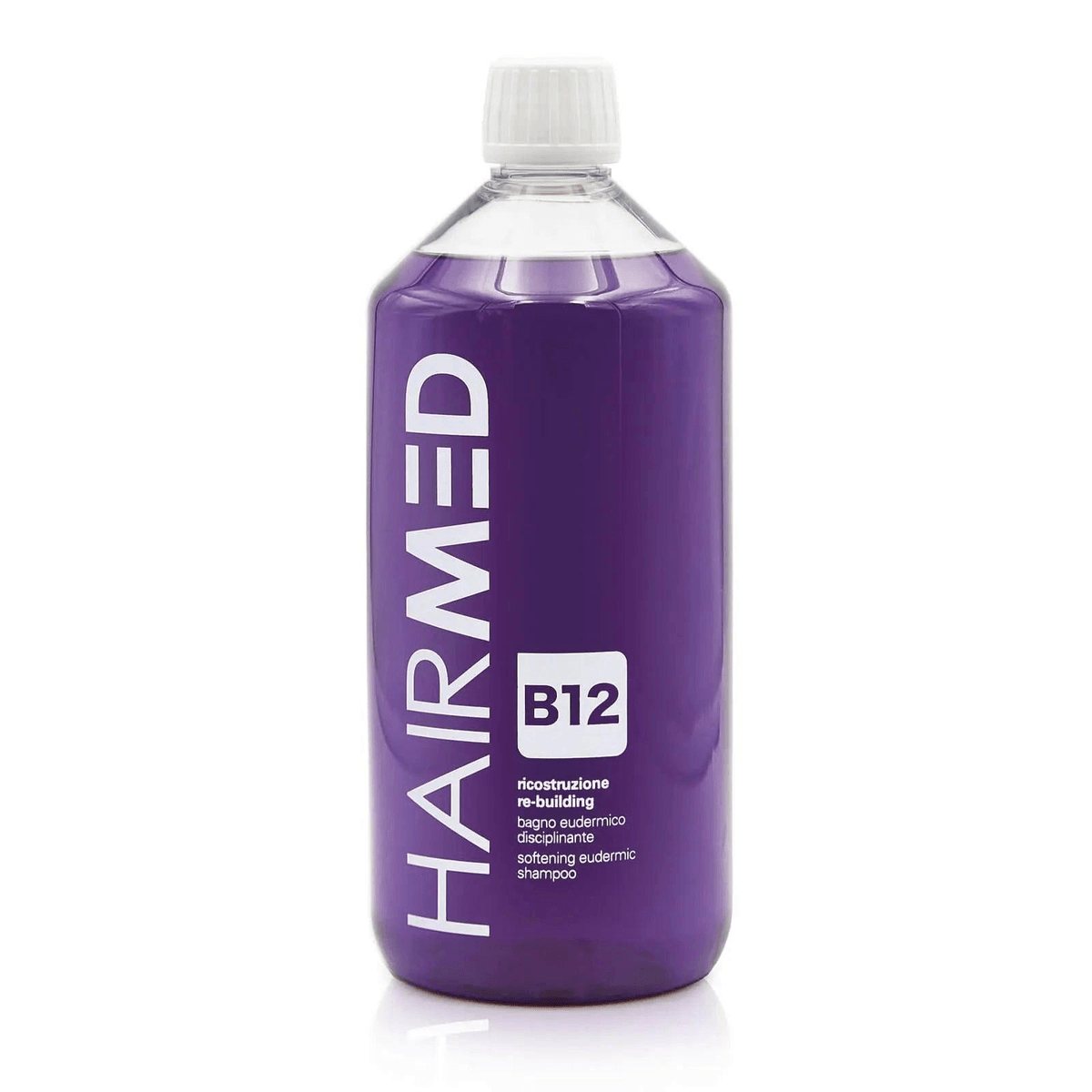
This is where VB12 (Vitamin B12) stands out—not as a replacement, but as an upgrade to the entire system.
What VB12 Adds:
- Supports scalp vitality
- Enhances nutrient delivery environment
- Helps reduce dryness and brittleness
- Improves overall hair resilience
👉 Unlike keratin or oils, VB12 works at a supportive biological level
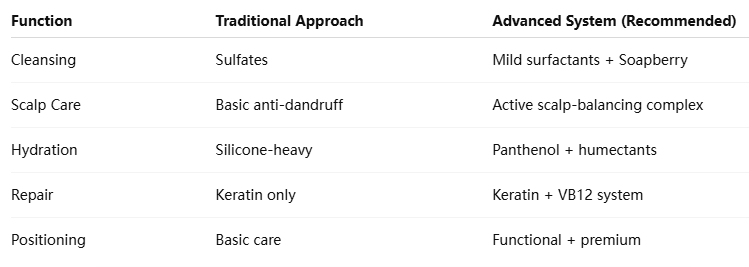
Ingredient System Comparison
Why Ingredient Systems Matter for Private Label Brands
Consumers don’t just buy products—they buy performance + story.
A strong ingredient system allows brands to:
- Build credibility
- Differentiate from competitors
- Justify premium pricing
- Increase repeat purchase rate
Longway’s Formulation Philosophy
At Longway, we recommend building shampoo formulations based on:
✔ Mild cleansing base
✔ Botanical functional extracts
✔ Scalp-active ingredients
✔ Hydration system
✔ VB12 as a performance enhancer
👉 Not a single hero ingredient—
but a complete, high-performance formulation system
Final Thoughts
The future of shampoo is not about adding more ingredients—
it’s about using the right ingredients in the right system.
VB12 is not the whole story,
but it is the key upgrade that elevates everything else.
Call to Action
If you’re developing a private label shampoo line, focus on:
✔ Ingredient synergy
✔ Scalp-first formulation
✔ Functional positioning
🚀 Partner with Longway to create a next-generation shampoo powered by a complete ingredient system.
FAQ:
1. What makes a shampoo formula “high-quality” in 2026?
A high-quality shampoo is no longer defined by a single ingredient. Instead, it relies on a balanced ingredient system, including:
- Mild cleansing agents
- Scalp-care actives
- Hydration components
- Repair ingredients
👉 The key is how these ingredients work together, not individually.
2. Are sulfate-free shampoos better for hair?
Sulfate-free shampoos are generally considered better for:
- Sensitive scalps
- Dry or damaged hair
- Color-treated hair
They use milder surfactants that cleanse without stripping natural oils, helping maintain a healthier scalp environment.
3. What is Sapindus (Soapberry) extract in shampoo?
Sapindus extract is a natural plant-based cleansing ingredient rich in saponins.
Benefits include:
- Gentle cleansing
- Reduced irritation
- Better moisture retention
👉 It is widely used in clean beauty and botanical shampoo formulations.
4. Which ingredients are best for dandruff control?
Effective anti-dandruff shampoos usually contain:
- Piroctone Olamine
- Zinc PCA
- Salicylic Acid
These ingredients help:
- Reduce flakes
- Control oil
- Soothe scalp irritation
5. Is keratin enough to repair damaged hair?
Keratin helps improve the appearance of damaged hair by smoothing the surface.
However:
- It provides temporary repair only
- It does not improve scalp health
👉 For better results, keratin should be combined with hydration and scalp-support ingredients.
6. What role does VB12 play in shampoo?
VB12 (Vitamin B12) helps support:
- Scalp vitality
- Hair follicle environment
- Overall hair resilience
👉 It works as a supportive ingredient, enhancing the performance of the entire formula rather than acting alone.
7. Can VB12 shampoo help with dry and brittle hair?
Yes—when properly formulated.
A VB12 shampoo combined with:
- Moisturizing agents
- Mild cleansers
- Repair ingredients
can help:
- Reduce dryness
- Improve softness
- Strengthen hair over time
8. What is the difference between surface repair and deep care?
- Surface repair (e.g., keratin): improves smoothness instantly
- Deep care (e.g., VB12 system): supports long-term scalp and hair health
👉 The best shampoos combine both approaches.
9. Why is scalp care important in shampoo formulation?
The scalp is the foundation of healthy hair.
Poor scalp conditions can lead to:
- Oil imbalance
- Dandruff
- Weak hair growth
👉 Modern shampoos focus on “scalp-first” care to ensure long-term results.
10. How can private label brands stand out in the shampoo market?
Brands can differentiate by:
- Using advanced ingredient systems
- Highlighting functional benefits
- Incorporing trending actives like VB12
- Offering clean and mild formulations
👉 A well-designed formula + clear positioning = stronger market success
Related article: