

Introduction
Choosing the right sunscreen is not just about SPF—it’s about finding a formula that matches your skin type, lifestyle, and usage scenario.
If you're wondering:
👉 “What sunscreen is best for my skin type?”
This guide will help you make the right decision while also understanding how sunscreen works.
Why Choosing the Right Sunscreen Matters
- Breakouts on oily skin
- Flakiness on dry skin
- Irritation on sensitive skin
- Reduced UV protection due to improper application
👉 Choosing the right sunscreen improves both skin health and product performance.
Step 1: Identify Your Skin Type
Before selecting a sunscreen, you must understand your skin.
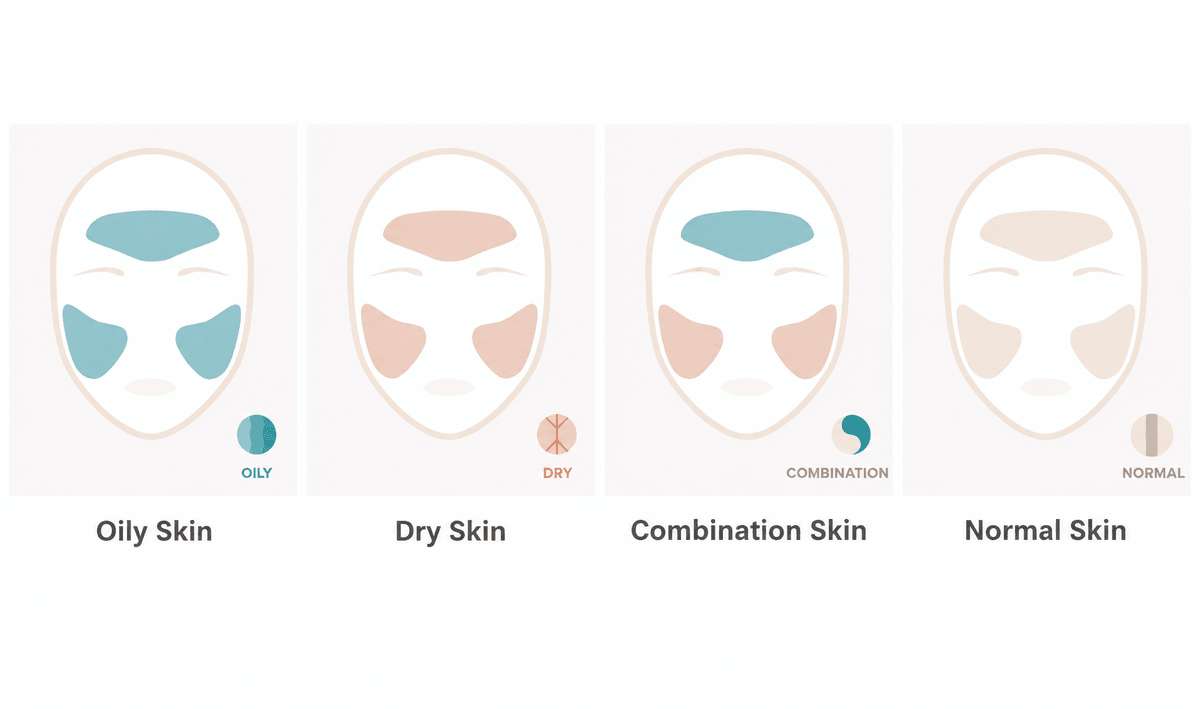
Common Skin Types:
- Oily Skin – shiny, acne-prone
- Dry Skin – flaky, tight feeling
- Sensitive Skin – redness, irritation
- Combination Skin – oily T-zone, dry cheeks
👉 This is the foundation of sunscreen selection.
Step 2: Choose the Right Sunscreen Formula
Different formulations suit different skin types:
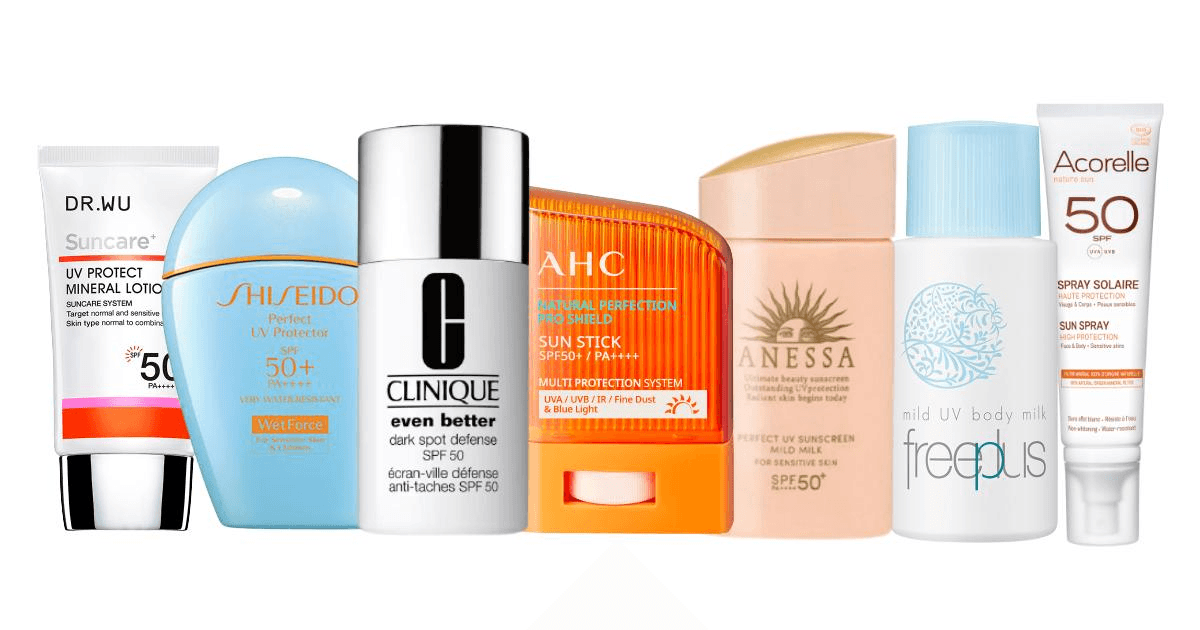
✔ Best Sunscreen for Oily Skin
- Gel-based or spray sunscreen
- Oil-free, non-comedogenic formulas
- Lightweight texture
✔ Best Sunscreen for Dry Skin
- Cream-based sunscreen
- Hydrating ingredients (e.g., hyaluronic acid, glycerin)
✔ Best Sunscreen for Sensitive Skin
- Mineral sunscreen (zinc oxide, titanium dioxide)
- Fragrance-free & alcohol-free
✔ Best Sunscreen for Combination Skin
- Lightweight lotion
- Balanced hydration without heaviness
👉 Related guide:
Is SPF 50 Better Than SPF 30? Sunscreen Protection Explained
Step 3: SPF 30 vs SPF 50 – Which Should You Choose?
- SPF 30 blocks ~97% of UVB rays
- SPF 50 blocks ~98% of UVB rays

👉 The difference is small, but SPF 50 is more marketable and preferred globally.
👉 Internal link:
SPF 30 vs SPF 50: What’s the Real Difference?
Step 4: Sunscreen Spray vs Cream – Which Is Better?
Choosing the right format also impacts usability:
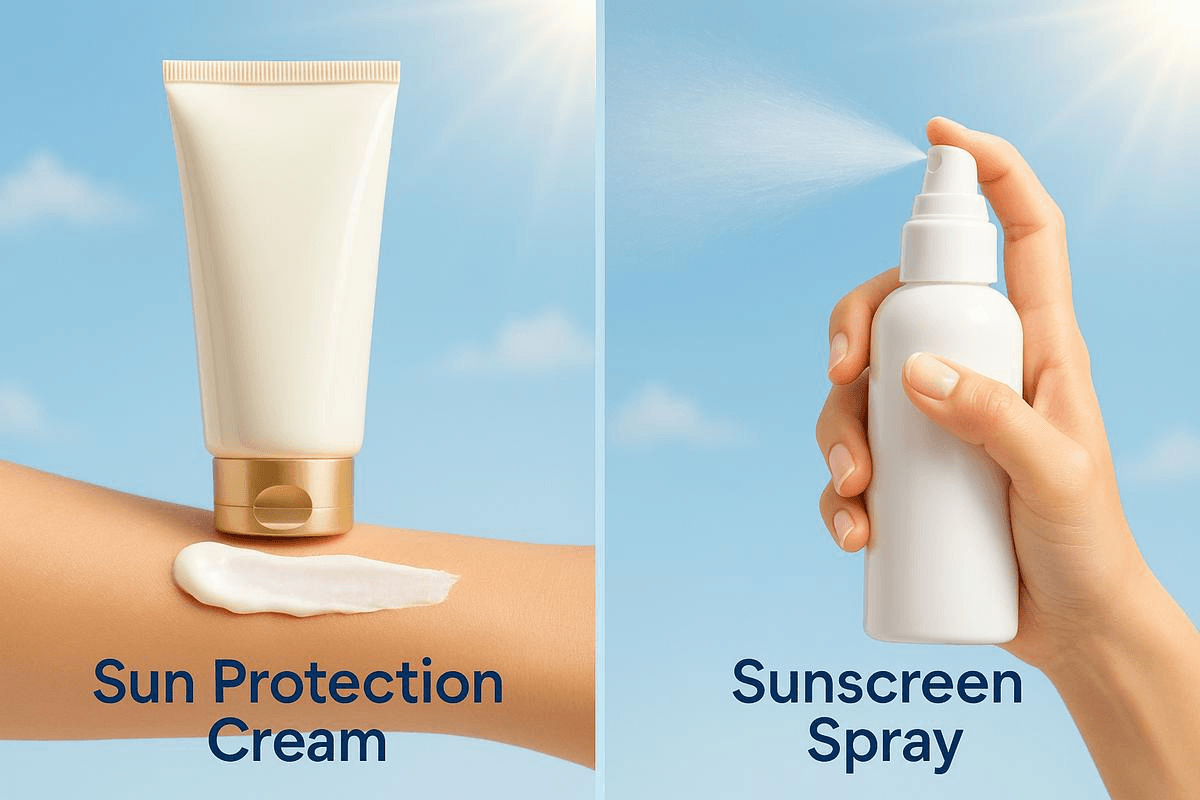
✔ Sunscreen Spray
- Easy to apply
- Ideal for reapplication
- Perfect for body use
✔ Sunscreen Cream
- Better coverage control
- Ideal for facial application
- More precise dosing
👉 Internal link:
Aerosol Spray vs Pump Spray: Which Is Better for Cosmetics?
Step 5: Check Ingredients & Compliance (Important for Brands)
For markets like the U.S., sunscreen is regulated as an OTC product.
Key requirements include:
- Broad-spectrum protection (UVA + UVB)
- Approved active ingredients
- Stability & SPF testing
- GMP-certified manufacturing
🚀 OEM Perspective: Choosing the Right Sunscreen Manufacturer
For brands, selecting the right manufacturer is critical.
Longway’s competitive advantages include:
- Advanced aerosol spray technology (Spray-core system)
- Custom formulation for different skin types
- Full-service OEM (formulation + filling + packaging)
- Scalable production capacity for global markets
- Compliance with OTC & international regulations
👉 Related article:
Sunscreen Spray Manufacturer: OEM Guide for Brands
Conclusion
Choosing the right sunscreen depends on:
- Your skin type
- The formulation
- SPF level
- Application format
👉 A well-matched sunscreen improves both protection and user experience.