

Introduction
Layering moisturizers correctly can maximize hydration, improve skin barrier function, and make your skincare routine more effective. Understanding textures and ingredients ensures long-lasting moisture without clogging pores.
Related Reading:
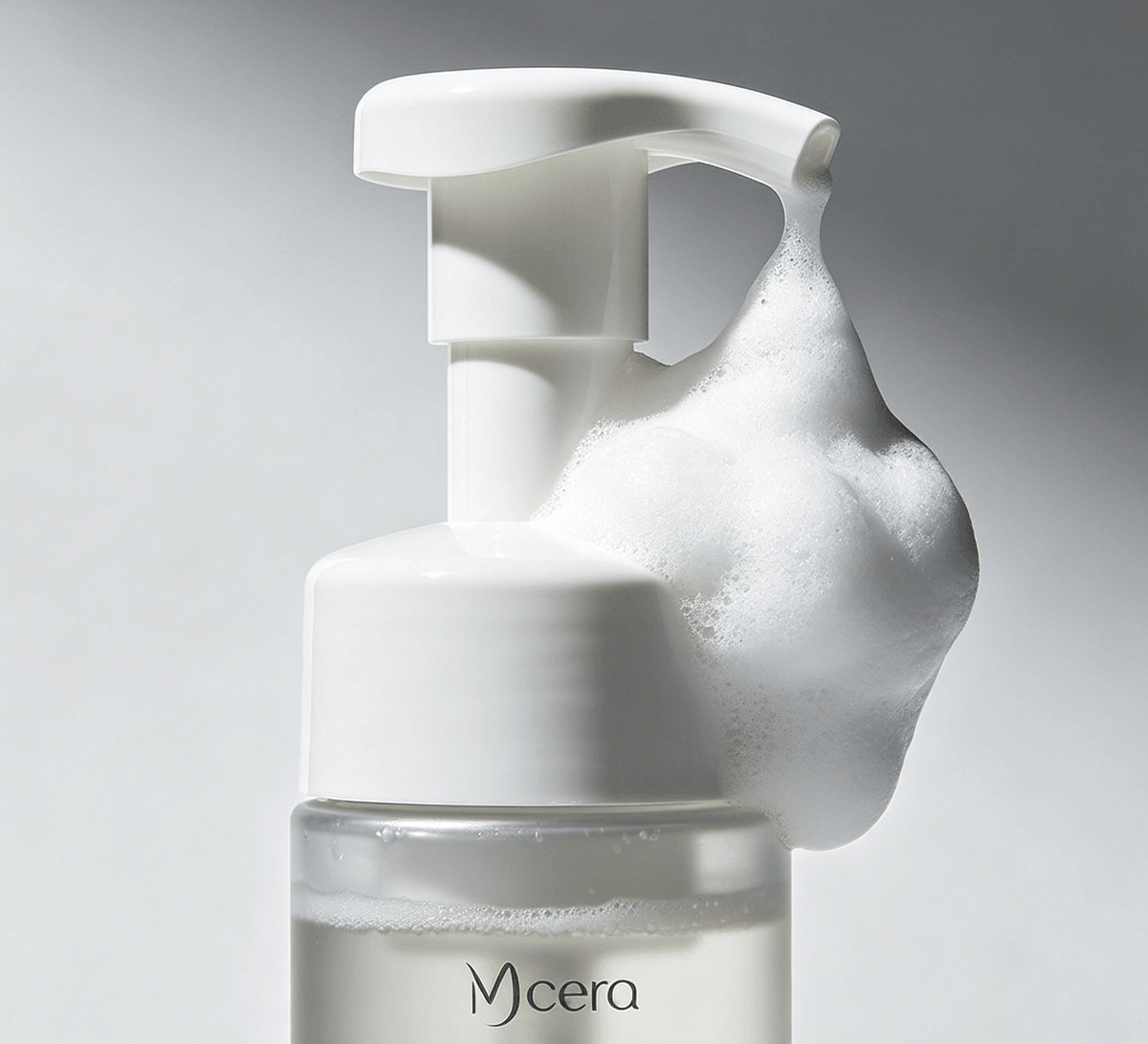
Step 1: Start with a Clean Face
- Use a mild, non-stripping cleanser
- Avoid harsh scrubs that can damage the skin barrier
- Cleanse morning and night
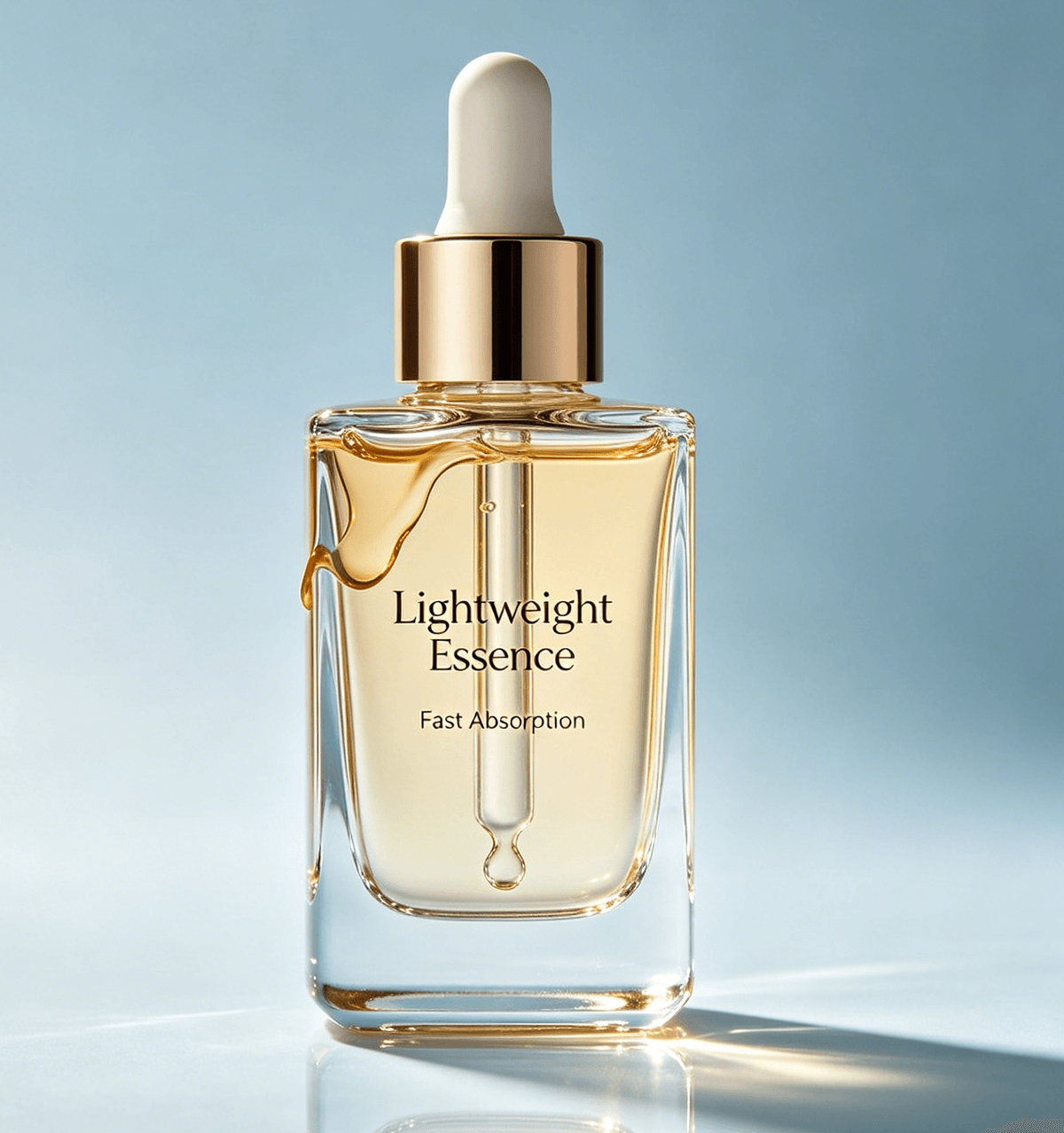
Step 2: Apply Lightweight Serums First
- Serums deliver high concentrations of active ingredients
- Recommended: Hyaluronic Acid, Niacinamide, Peptides
- Pat a few drops gently into skin
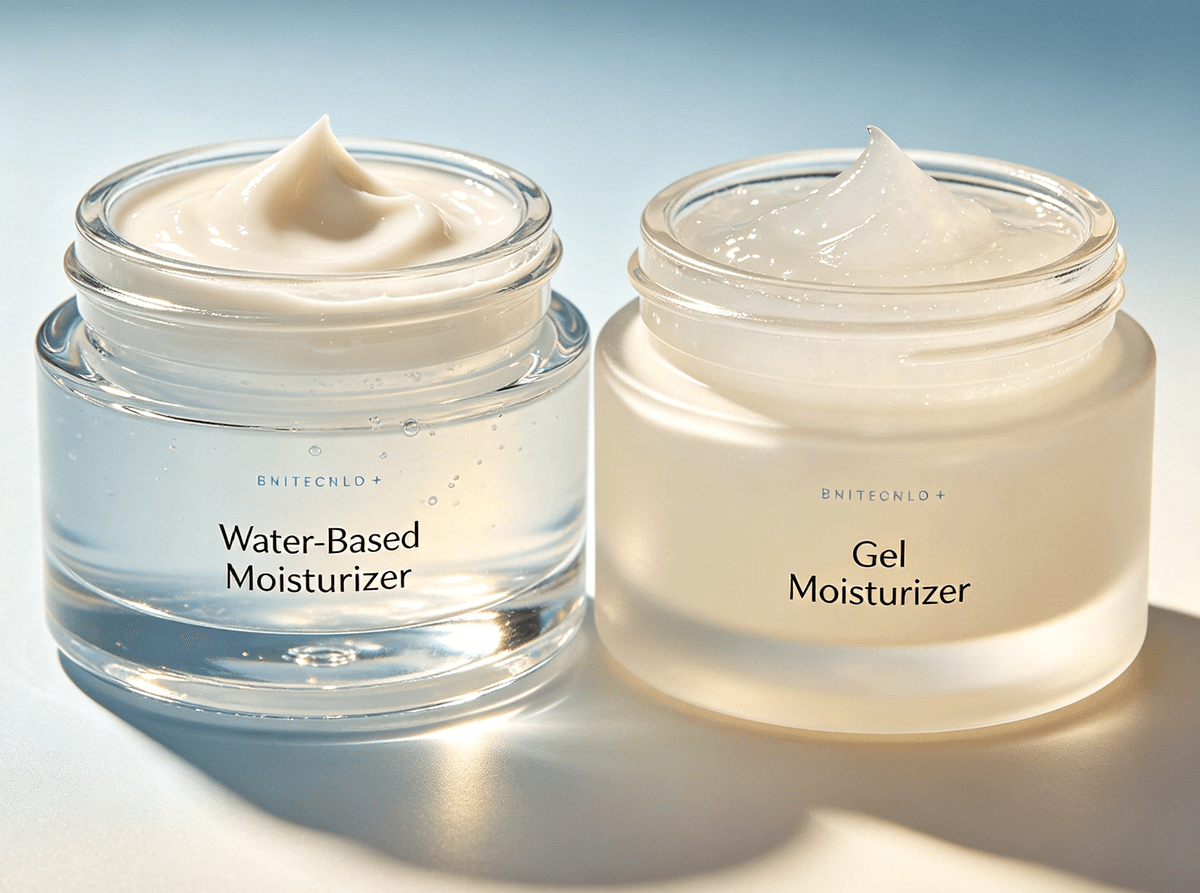
Step 3: Use a Water-Based or Gel Moisturizer
- Provides lightweight hydration
- Apply evenly to entire face
- Focus on dry areas
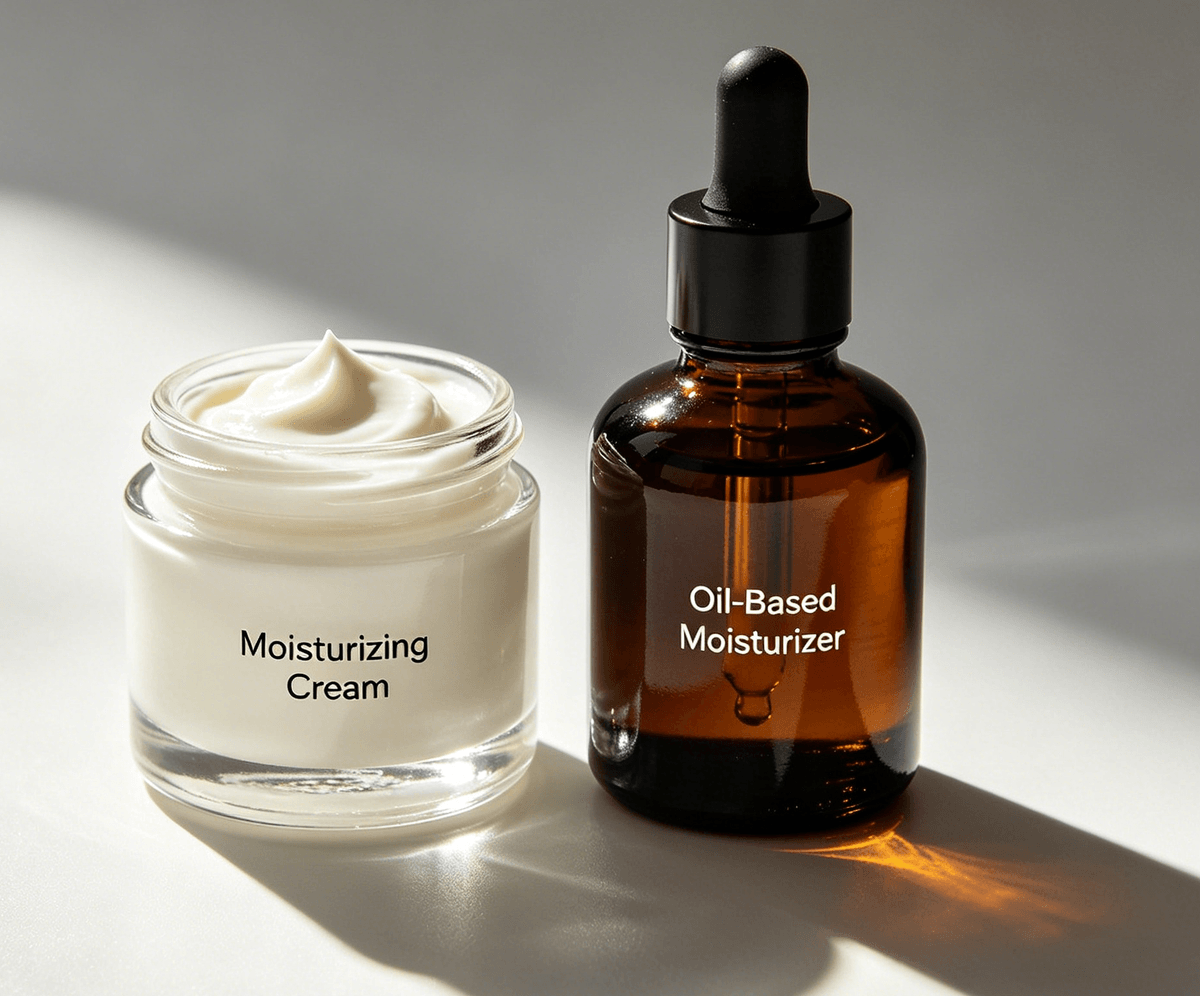
Step 4: Add a Cream or Oil-Based Moisturizer
- Seals in moisture and strengthens the skin barrier
- Apply on top of gel layer
- Concentrate on dry areas
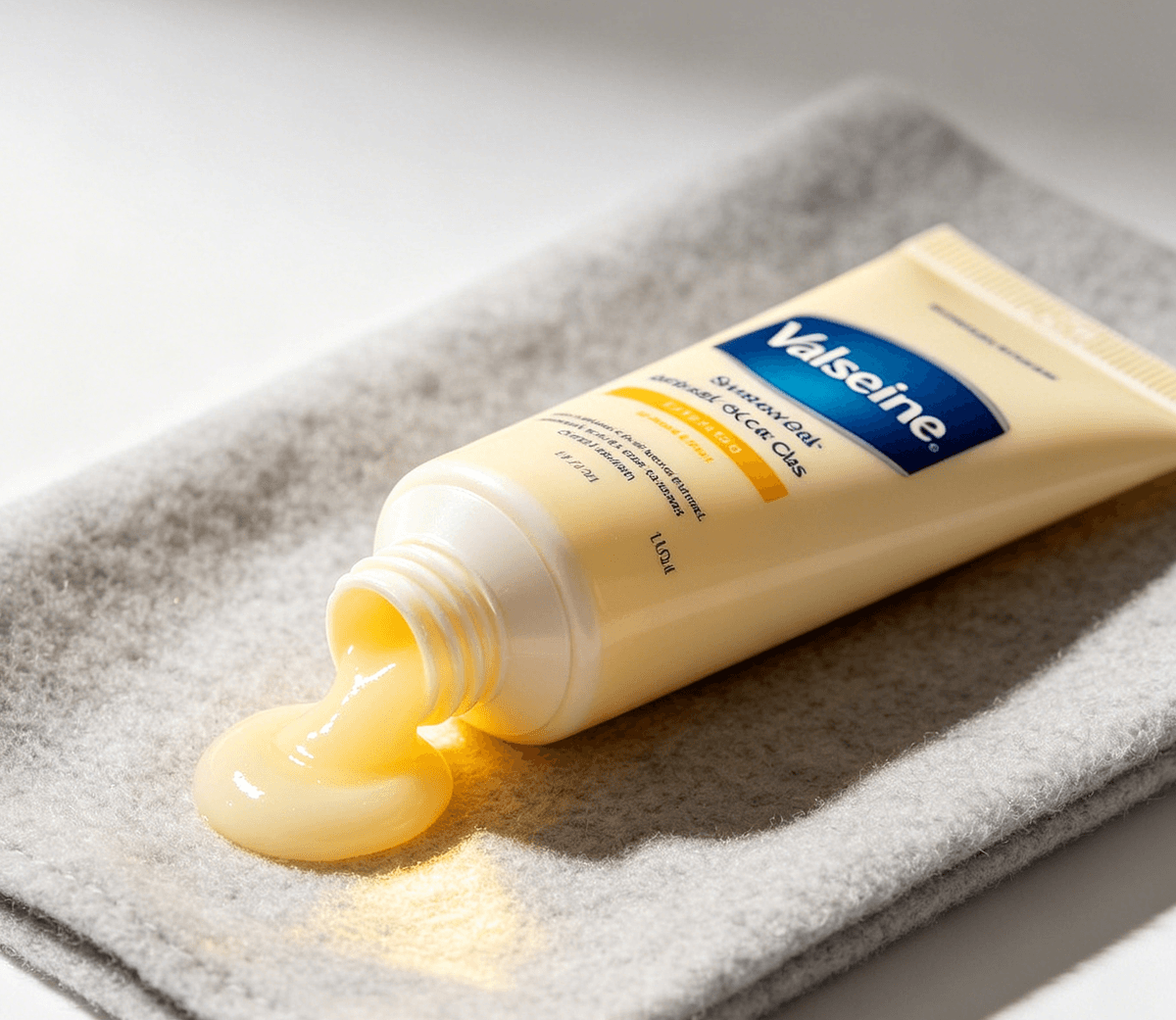
Step 5: Layer Occlusive Products (Optional)
- For extremely dry skin or harsh weather
- Occlusives like petrolatum or balm lock in hydration
- Apply sparingly to avoid greasy texture
Additional Tips
- Apply moisturizers from thinnest to thickest
- Use gentle upward motions
- Drink plenty of water
- Adjust layers for skin type and season
OEM Insight: Longway Skincare Expertise
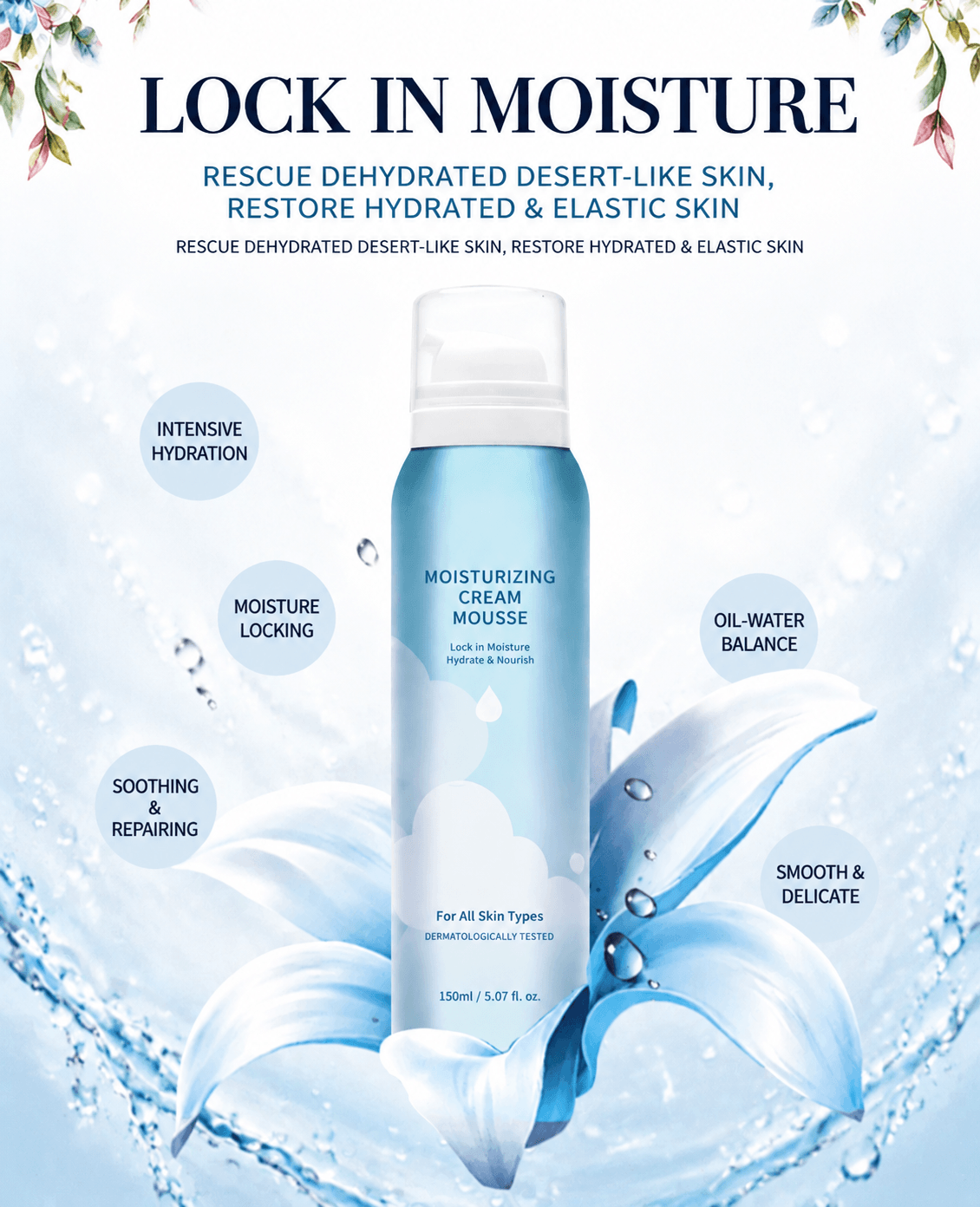
- Custom formulations for Moisturizing Cream Mousse, cream, and occlusives
- Ingredient sourcing for hydration-focused products
- Private label & OEM skincare manufacturing
FAQ
Q1: Can I layer different brands of moisturizers?
A: Yes, but check compatibility to avoid irritation.
Q2: How many layers are too many?
A: 2–3 layers are usually sufficient. More may feel heavy.
Q3: Should layering change for oily vs dry skin?
A: Yes, oily skin can skip occlusives; dry skin benefits from sealing layers.