

What Causes Dandruff in the First Place?

Dandruff is more than just dry skin—it’s often caused by a combination of factors, including:
Overgrowth of Malassezia (a naturally occurring scalp fungus)
- Excess oil (sebum) production
- Scalp sensitivity or inflammation
- Disrupted skin cell turnover
👉 In simple terms:
Oil + Fungus + Scalp Imbalance = Dandruff
How Anti-Dandruff Shampoo Ingredients Work
Effective anti-dandruff shampoos are formulated to target the root causes of flakes and irritation. The best ingredients typically work in one or more of these ways:
- Antifungal – reduce yeast growth
- Keratolytic – remove dead skin buildup
- Oil control – balance sebum production
- Soothing – calm scalp irritation
Top 5 Best Anti-Dandruff Shampoo Ingredients
1. Zinc Pyrithione (ZPT)
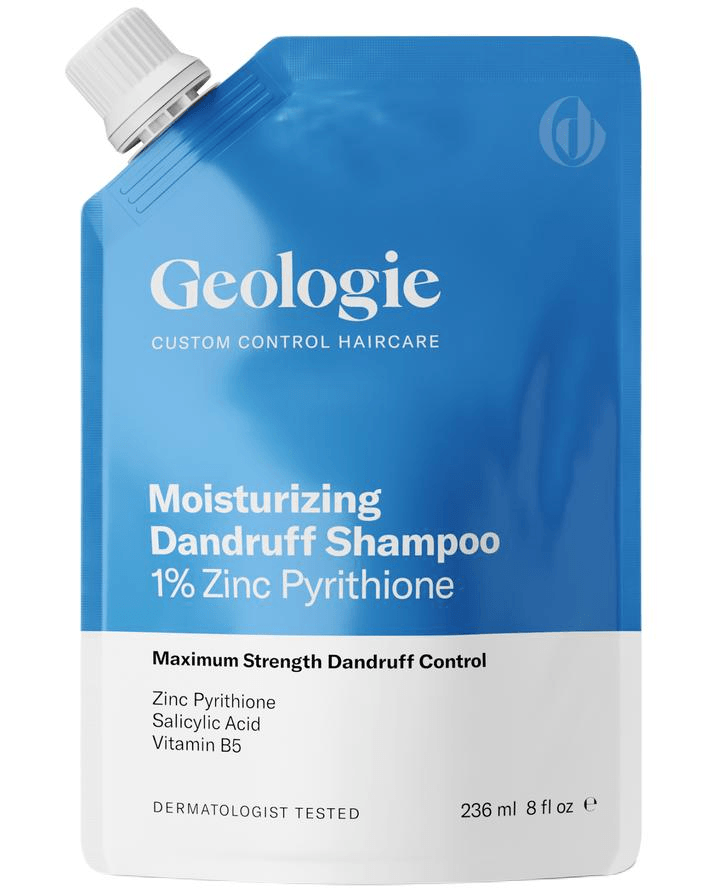
Why it works:
Zinc Pyrithione is one of the most widely used anti-dandruff ingredients. It helps reduce fungal growth and relieves scalp irritation.
Benefits:
- Gentle enough for regular use
- Effective against mild to moderate dandruff
- Helps reduce itching and flaking
Best for:
👉 Everyday dandruff control
2. Ketoconazole
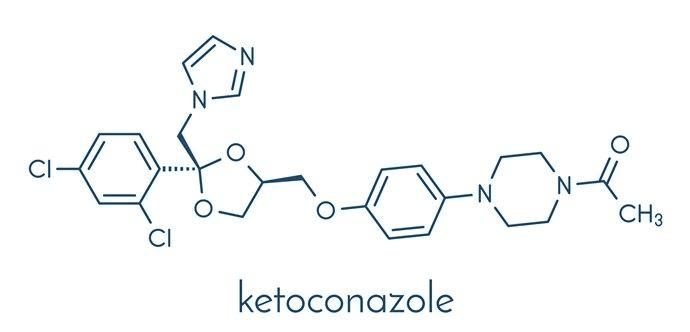
Why it works:
Ketoconazole is a powerful antifungal agent often used in medicated shampoos.
Benefits:
- Targets severe dandruff and fungal infections
- Helps treat seborrheic dermatitis
- Long-lasting effectiveness
Best for:
👉 Stubborn or chronic dandruff
3. Salicylic Acid
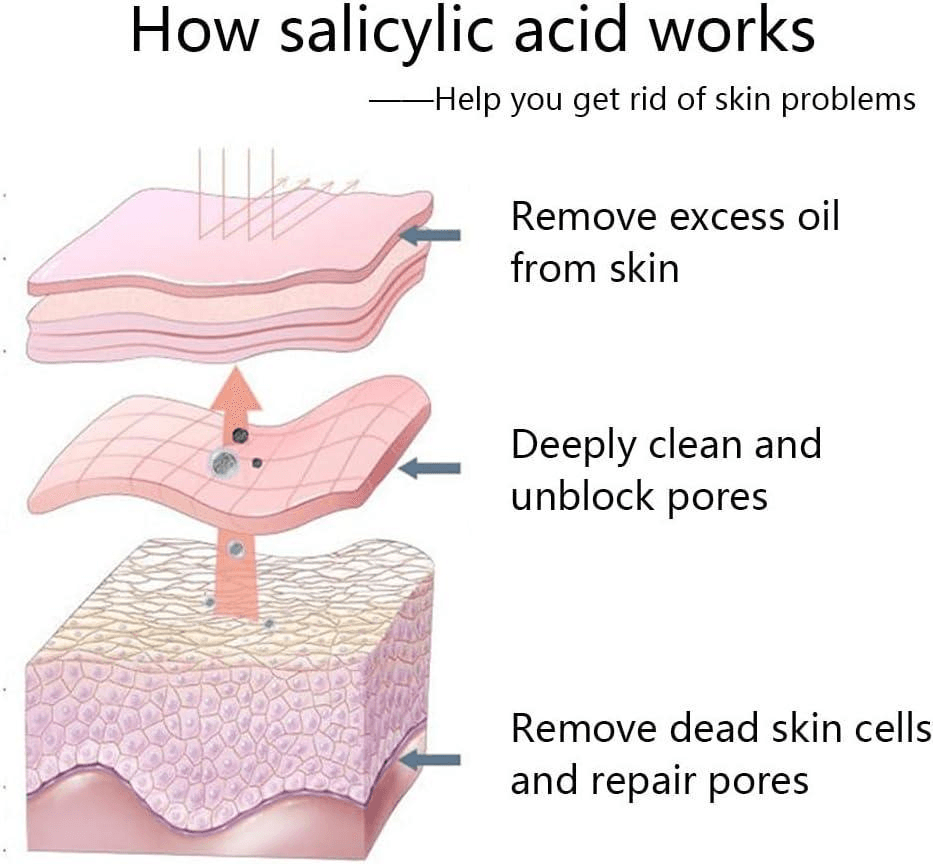
Why it works:
Salicylic Acid acts as an exfoliant, helping to remove dead skin cells and reduce buildup on the scalp.
Benefits:
- Clears visible flakes quickly
- Promotes healthy scalp turnover
- Unclogs hair follicles
Note:
May cause dryness if overused.
Best for:
👉 Thick flakes and scalp buildup
4. Selenium Sulfide
Why it works:
Selenium Sulfide slows down skin cell turnover and reduces fungal activity.
Benefits:
- Effective for moderate to severe dandruff
- Helps reduce scalp oiliness
- Long-lasting control
Best for:
👉 Persistent dandruff with oily scalp
5. Natural Ingredients (Tea Tree Oil, Aloe Vera, Menthol)
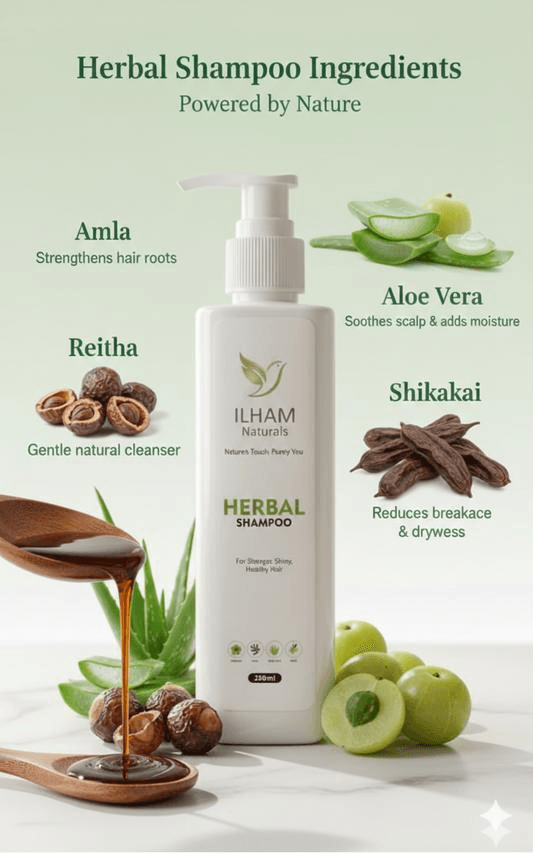
Why they work:
Natural ingredients offer gentle support for scalp health.
Common benefits:
- Anti-inflammatory
- Mild antimicrobial effect
- Cooling and soothing sensation
Best for:
👉 Sensitive scalp or natural product lovers
How to Choose the Right Ingredient for Your Scalp
Choosing the best anti-dandruff shampoo depends on your scalp condition:
- Mild dandruff → Zinc Pyrithione
- Oily scalp & buildup → Salicylic Acid
- Severe dandruff → Ketoconazole or Selenium Sulfide
- Sensitive scalp → Natural ingredients
👉 There’s no “one-size-fits-all” solution—matching ingredients to scalp type is key.
Why Some Anti-Dandruff Shampoos Don’t Work
Common reasons include:
- Using the wrong active ingredient
- Not using it consistently
- Ignoring scalp type differences
- Choosing cosmetic (non-medicated) formulas
Industry Trend: From Dandruff Control to Scalp Care
Today’s hair care market is shifting toward:
- Sulfate-free formulations
- Scalp microbiome balance
- Personalized hair care
- Functional + natural ingredient blends
👉 Anti-dandruff shampoo is no longer just a treatment—it’s part of a complete scalp care routine.
Final Thoughts
The effectiveness of any anti-dandruff shampoo comes down to its ingredients.
👉 Remember this rule:
Right ingredient + Right scalp type = Real results
(Optional CTA for OEM / B2B Websites)
If you're looking to develop your own anti-dandruff shampoo line:
- Custom ingredient formulation (ZPT / Ketoconazole / Herbal)
- Private label manufacturing
- Scalp-focused product innovation
👉 Choosing the right ingredient strategy can help your brand stand out in a competitive market.
FAQs
1. What is the most effective ingredient for dandruff?
The most effective ingredient depends on the severity of dandruff:
- Zinc Pyrithione – best for mild to moderate dandruff
- Ketoconazole – most effective for severe dandruff
- Salicylic Acid – ideal for removing buildup
👉 There is no single “best” ingredient—effectiveness depends on your scalp condition.
2. Is zinc pyrithione safe for daily use?
Yes, Zinc Pyrithione is generally considered safe for regular use in rinse-off products like shampoos.
- Suitable for long-term dandruff control
- Gentle on most scalp types
👉 However, always follow product instructions for best results.
3. How long does it take for anti-dandruff shampoo to work?
Most users notice improvement within:
- 1–2 weeks for mild dandruff
- 2–4 weeks for more persistent cases
Consistency is key—irregular use reduces effectiveness.
4. Can I use anti-dandruff shampoo every day?
It depends on the formula:
- Mild shampoos (ZPT, herbal) → can be used daily
- Medicated shampoos (Ketoconazole) → 2–3 times per week
👉 Overuse of strong formulas may cause dryness.
- 5. What is better: natural or medicated dandruff shampoo?
- Medicated shampoos → faster and stronger results
- Natural shampoos → gentler, suitable for maintenance
👉 Best approach:
Use medicated shampoo to treat, then natural shampoo to maintain.
6. Why does my dandruff keep coming back?
Recurring dandruff is usually caused by:
- Ongoing fungal imbalance
- Oily scalp conditions
- Stopping treatment too early
- Using the wrong product
👉 Dandruff often requires continuous management, not one-time treatment.
7. Is salicylic acid good for dandruff?
Yes, Salicylic Acid helps by:
- Removing dead skin cells
- Reducing visible flakes
- Clearing scalp buildup
👉 It works best when combined with antifungal ingredients.
8. Are sulfate-free shampoos better for dandruff?
Sulfate-free shampoos are:
- Gentler on the scalp
- Less likely to cause irritation
However:
👉 They are not always enough alone for treating dandruff
👉 Active ingredients still matter more
9. Can anti-dandruff shampoo damage hair?
Most anti-dandruff shampoos are safe when used correctly.
Possible issues:
- Dryness (especially with strong formulas)
- Color fading (for dyed hair)
👉 Choosing the right formula for your hair type is important.
10. What ingredients should I avoid in dandruff shampoo?
Some people may want to avoid:
- Harsh sulfates (if sensitive scalp)
- Heavy silicones (may cause buildup)
- Alcohol-heavy formulas (can dry scalp)
👉 Focus on effective + balanced formulations
👉 Related article: