

If you're planning to enter the beauty industry—whether it’s sunscreen, skincare, or haircare—one of the most important decisions you’ll make is:
👉 Should you choose Wholesale or OEM/ODM (Private Label)?
This isn’t just a sourcing choice. It directly affects your:
- Profit margins
- Brand ownership
- Customer positioning
- Long-term scalability
In this in-depth guide, we’ll break down the differences, advantages, disadvantages, ideal customer groups, real-world scenarios, and decision-making strategies—so you can confidently choose the path that fits your business.
1. What Is Wholesale?
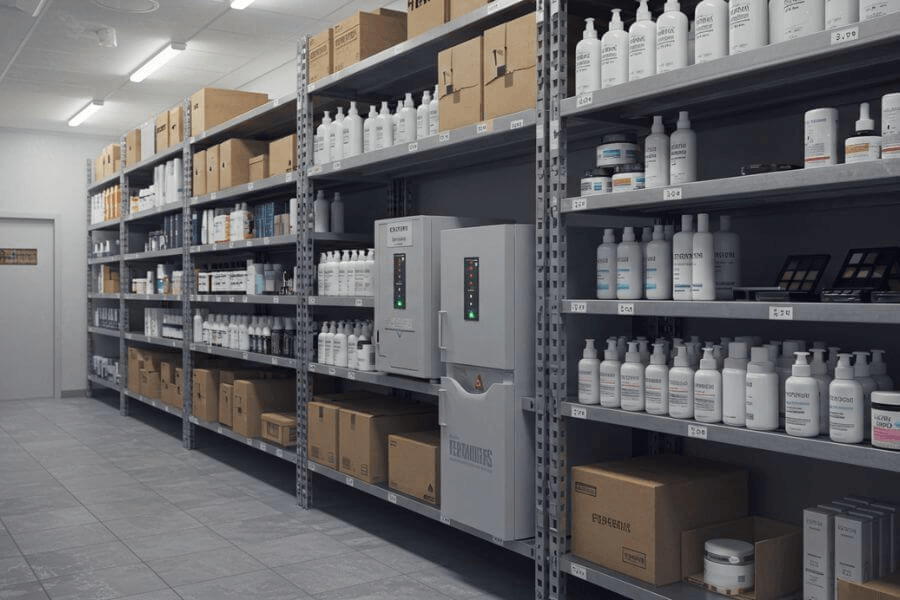
Wholesale is the most traditional and straightforward model:
You purchase ready-made products in bulk and resell them
Key Characteristics
Products are already manufactured
- Fixed formula and packaging
- Usually sold under an existing brand
- Available as ready stock
- Fast delivery
✔ Advantages of Wholesale
1. Low Barrier to Entry
You don’t need to:
- Develop formulas
- Design packaging
- Build supply chains
👉 Perfect for beginners
2. Fast Time-to-Market
Products are already in stock:
👉 You can start selling immediately
3. Lower Upfront Investment
- Smaller MOQ
- No R&D cost
4. Simple Operations
Focus on:
- Selling
- Marketing
- Distribution
❌ Disadvantages of Wholesale
1. No Product Differentiation
You’re selling the same product as many competitors
2. Low Profit Margins
Since products are not exclusive:
👉 Price competition becomes intense
3. No Brand Ownership
You are building:
- Someone else’s brand
- Not your own asset
4. High Competition
Especially on:
- Amazon
- TikTok Shop
- Retail marketplaces
2. What Is OEM / ODM / Private Label?
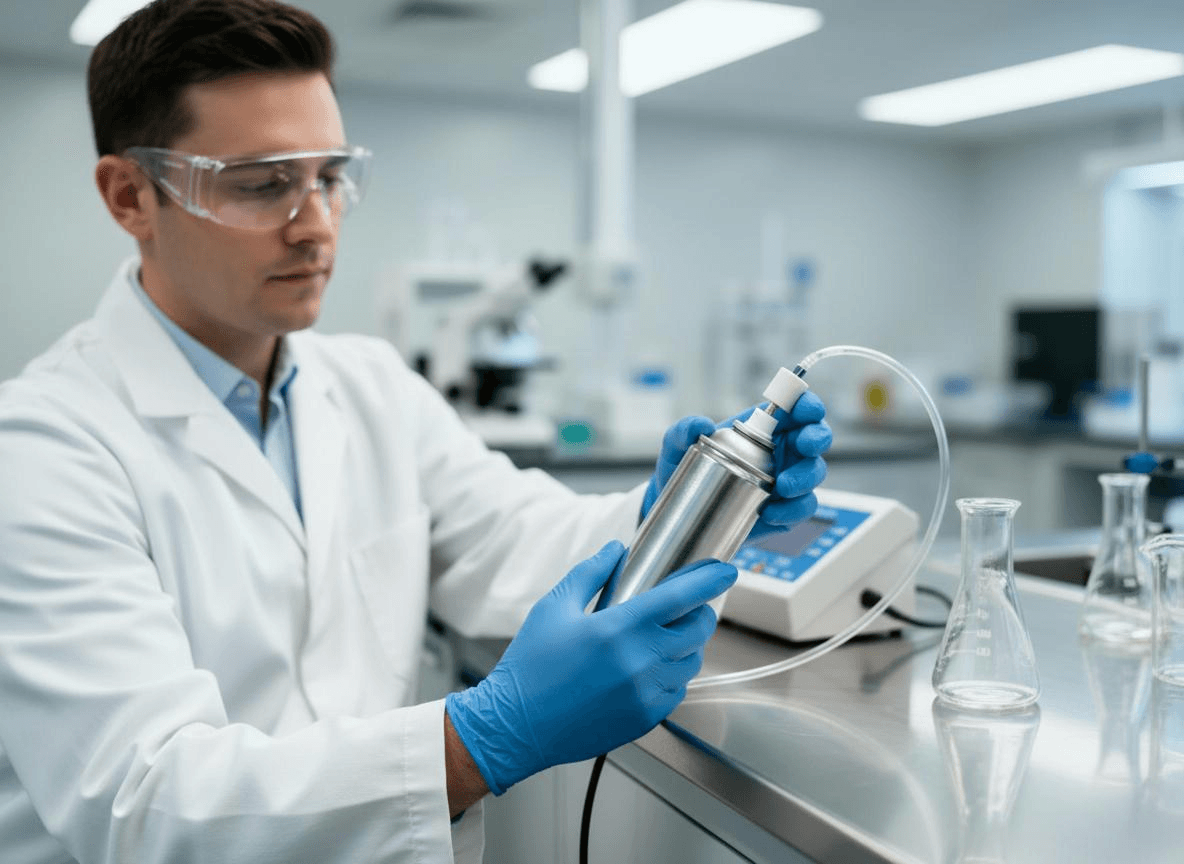
OEM/ODM is a more advanced and strategic model:
You create your own brand, and a manufacturer produces the products for you
Understanding the Terms
✔ OEM (Original Equipment Manufacturer)
- You provide product specifications or formula
- Factory handles production
👉 Suitable for brands with technical requirements
✔ ODM (Original Design Manufacturer)
- Factory provides ready formulas
- You customize branding and packaging
👉 Most common in the cosmetics industry
✔ Private Label
- Standard product + your logo + your packaging
👉 Fastest way to build a brand
✔ Advantages of OEM/ODM
1. Full Brand Ownership
You own:
- Brand name
- Product identity
- Customer loyalty
2. Higher Profit Margins
Because:
- Products are unique
- Less direct price competition
3. Product Differentiation
You can customize:
- Ingredients (e.g., niacinamide, mineral sunscreen)
- Texture and function
- Packaging design
4. Long-Term Business Value
You are building:
👉 A scalable brand (not just reselling)
❌ Disadvantages of OEM/ODM
1. Higher MOQ
Factories require:
- Minimum production quantities
2. Longer Lead Time
Includes:
- Development
- Sampling
- Production
3. Higher Initial Investment
You need to invest in:
- Branding
- Packaging
- Inventory
4. More Complex Process
You must manage:
- Product development
- Supplier communication
- Compliance (e.g., FDA for sunscreen)
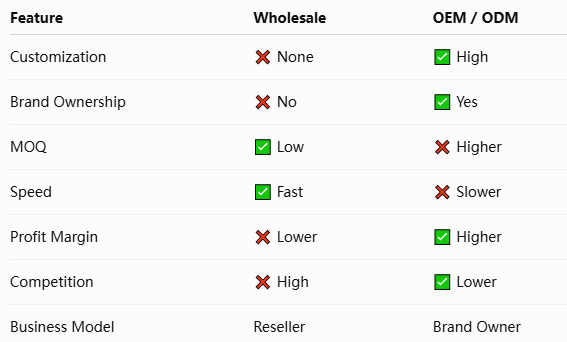
3. Wholesale vs OEM/ODM: Side-by-Side Comparison
4. Target Customer Groups (Very Important)
Understanding who each model is for will help you position your business correctly.
👤 Wholesale Customers
Best suited for:
1. Beginners with Limited Budget
- Testing products
- Learning the market
2. Retailers & Distributors
- Selling multiple brands
- Focus on volume
3. Trend-Driven Sellers
- Want to move fast
- Follow viral products
👉 Core Goal:
Short-term sales & fast cash flow
🧴 OEM / ODM Customers
Best suited for:
1. Brand Owners
- Want to build a unique identity
- Focus on long-term growth
2. E-commerce Entrepreneurs
- Amazon / Shopify / TikTok Shop sellers
- Need differentiation
3. Influencers & Content Creators
- Monetizing personal audience
- Launching exclusive products
4. Established Businesses
- Expanding product lines
- Increasing margins
👉 Core Goal:
Brand building & sustainable profits
5. Real-World Business Scenarios
🔵 Scenario 1: Wholesale
You:
- Buy 1,000 sunscreen units
- Sell on Amazon
Challenges:
- Competing on price
- Limited control
👉 Outcome: Fast but low-margin business
🟢 Scenario 2: OEM/ODM
You:
- Develop your own sunscreen brand
- Customize SPF, packaging, positioning
Advantages:
- Unique product
- Brand recognition
👉 Outcome: Slower start, but scalable and profitable
6. Hybrid Strategy (Smart Approach)
Many successful businesses use a two-step strategy:
Step 1: Start with Wholesale
- Test market demand
- Generate cash flow
Step 2: Transition to OEM/ODM
- Build your own brand
- Increase margins
👉 This reduces risk while maximizing long-term potential
7. How to Choose the Right Model
Ask yourself these questions:
✔ What is your budget?
- Low → Wholesale
- Medium/High → OEM/ODM
✔ What is your goal?
- Quick profit → Wholesale
- Long-term brand → OEM/ODM
✔ Do you want to own a brand?
- No → Wholesale
- Yes → OEM/ODM
✔ Can you handle production timelines?
- No → Wholesale
- Yes → OEM/ODM
8. Common Mistakes to Avoid
❌ Choosing wholesale expecting high profits
❌ Jumping into OEM without a clear brand strategy
❌ Ignoring MOQ and inventory risk
❌ Not understanding target customers
9. Final Conclusion
👉 Wholesale = Speed, simplicity, low risk
👉 OEM/ODM = Branding, differentiation, long-term growth
There is no universally “better” model—only the one that fits your business stage and goals.
Ready to Choose Your Path?
Whether you're:
- Testing the market
- Scaling your business
- Building your own skincare brand
👉 The right model will determine your success trajectory.
FAQs
1. What is the main difference between wholesale and OEM/ODM?
The main difference is:
- Wholesale: You buy ready-made products and resell them
- OEM/ODM: You create your own brand and have a manufacturer produce products for you
👉 Wholesale focuses on selling, while OEM/ODM focuses on branding and customization.
2. Which is better for beginners: wholesale or OEM/ODM?
It depends on your goals:
If you want low risk and quick start, choose wholesale
If you want to build a long-term brand, choose OEM/ODM
👉 Many beginners start with wholesale and later move to OEM/ODM.
3. Do I need a large budget for OEM/ODM?
Yes, compared to wholesale, OEM/ODM requires:
Product development cost
- Packaging design
- Higher MOQ (minimum order quantity)
👉 However, it also offers higher profit margins and brand ownership.
4. Can I start a cosmetics brand without my own formula?
Yes. That’s exactly what ODM or private label is for.
Manufacturers can provide:
- Ready-made formulas
- Proven product performance
👉 You only need to focus on branding and marketing.
5. Is wholesale less profitable than OEM/ODM?
Generally, yes.
- Wholesale = lower margins, higher competition
- OEM/ODM = higher margins, unique products
👉 With OEM/ODM, you’re not competing only on price.
6. How long does OEM/ODM production take?
Typical timeline:
- Sampling: 7–15 days
- Packaging & confirmation: 2–4 weeks
- Mass production: 3–6 weeks
👉 Total: around 4–8 weeks depending on complexity
7. What is MOQ in OEM/ODM?
MOQ means Minimum Order Quantity.
- Wholesale: usually low MOQ
- OEM/ODM: higher MOQ due to production setup
👉 MOQ varies by product type and packaging.
8. Can I switch from wholesale to OEM/ODM later?
Yes—and this is a very common strategy.
👉 Many businesses:
- Start with wholesale to test demand
- Move to OEM/ODM to build their own brand
9. Who should choose OEM/ODM instead of wholesale?
OEM/ODM is best for:
- Brand owners
- E-commerce sellers (Amazon, Shopify, TikTok Shop)
- Influencers launching their own products
- Businesses looking for long-term growth
10. Is OEM/ODM suitable for small businesses?
Yes, but you need:
- A clear product idea
- Basic budget planning
- A reliable manufacturer
👉 Start small (low MOQ options) and scale gradually.
11. What are the risks of choosing the wrong model?
- Choosing wholesale → low margins, hard to scale
- Choosing OEM/ODM too early → high costs, slow returns
👉 The key is matching the model with your current stage and resources.
12. How do I choose the right manufacturer for OEM/ODM?
Look for:
Certifications (e.g., FDA, ISO, GMP)
- Experience in your product category
- Customization capabilities
- Clear communication and support
👉 Always request samples before placing bulk orders.
13. Can I customize sunscreen products with OEM/ODM?
Yes. You can customize:
- SPF level (e.g., SPF30, SPF50)
- Formula type (mineral or chemical)
- Texture and skin feel
- Packaging and branding
👉 This is especially important for differentiation in competitive markets.
14. What is the fastest way to launch a brand?
👉 The fastest route is:
Private Label (a type of ODM)
- Use existing formulas
- Customize packaging
- Launch quickly
15. Which model is better for long-term success?
👉 OEM/ODM is better for long-term growth because:
- You own the brand
- You control pricing
- You build customer loyalty
👉 Related article: