

Introduction
Choosing the right sunscreen can be confusing, especially when comparing mineral vs chemical sunscreen.
Both types protect your skin from harmful UV rays, but they differ in ingredients, performance, and suitability for different skin types.
In this guide, we’ll break down:
- The difference between mineral and chemical sunscreen
- Pros and cons of each
- Which one is best for your skin type
- How to choose the right formula for your brand or business
🧴 What Is Mineral Sunscreen?
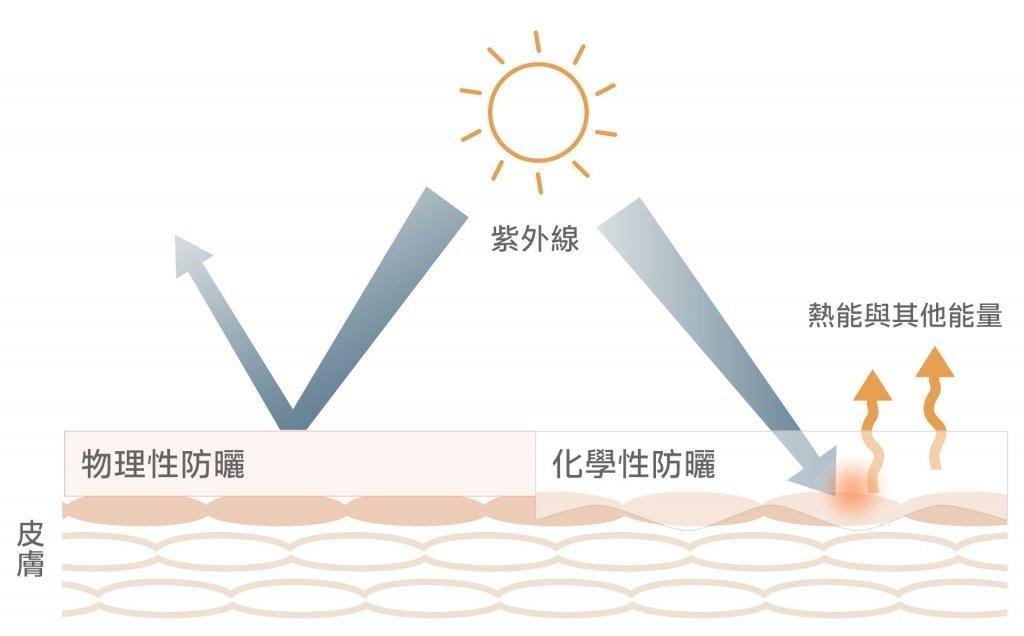
Mineral sunscreen, also known as physical sunscreen, uses natural minerals to block UV rays.

Key Ingredients:
- Zinc Oxide
- Titanium Dioxide
How It Works:
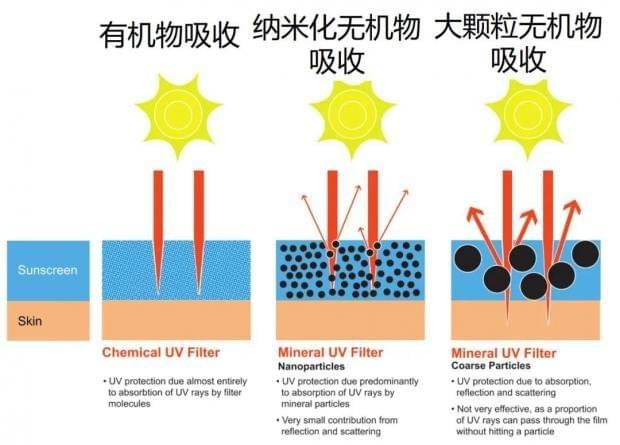
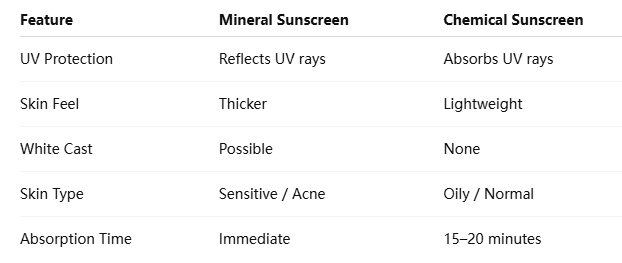
Mineral sunscreen forms a protective barrier on the skin that reflects and scatters UV radiation.
Best For:
- Sensitive skin
- Post-treatment skin
- Acne-prone users
👉 Related reading:
🧪 What Is Chemical Sunscreen?
Chemical sunscreen absorbs UV radiation and converts it into heat.
Common Ingredients:
- Avobenzone
- Octinoxate
- Oxybenzone
How It Works:
Instead of sitting on top of the skin, it penetrates slightly and absorbs UV rays before they damage the skin.
Best For:
- Oily skin
- Daily wear
- Makeup users
👉 Related reading:
⚖️ Mineral vs Chemical Sunscreen: Key Differences
✅ Pros and Cons
Mineral Sunscreen
Pros:
- Gentle and non-irritating
- Works immediately
- Ideal for sensitive skin
Cons:
- May leave a white cast
- Thicker texture
Chemical Sunscreen
Pros:
- Lightweight and invisible
- Easy to layer with makeup
- Better for daily use
Cons:
- May cause irritation
- Requires time before sun exposure
👩🔬 Which Sunscreen Is Best for Your Skin Type?
👉 Choosing the right sunscreen depends on your skin type:
✔ For Oily Skin
Use lightweight formulas
👉 Read more:
✔ For Sensitive Skin
Use mineral-based sunscreen
👉 Read more:
✔ For Acne-Prone Skin
Choose non-comedogenic mineral formulas
👉 Read more:
🏭 OEM & Private Label Sunscreen Guide
If you are building your own skincare brand, understanding sunscreen types is essential.
A professional sunscreen manufacturer can help you:
- Develop mineral, chemical, or hybrid formulas
- Customize SPF levels and textures
- Ensure FDA & GMP compliance
- Scale production globally
👉 You may also want to read:
❓ FAQ Section
Is mineral sunscreen better than chemical sunscreen?
Not necessarily. Mineral sunscreen is better for sensitive skin, while chemical sunscreen offers a more lightweight finish.
Can I combine both types?
Yes. Many modern sunscreens use hybrid formulas for better performance and texture.
Which sunscreen is best for daily use?