

👉 Related articleInclusion
Protecting your skin shouldn’t come at the cost of harming the ocean. As awareness grows around marine conservation, more consumers are searching for reef friendly sunscreen and reef sunscreen oil. But what do these terms really mean, and how should brands choose the right formulations?
In this guide, we’ll break down the science, differences, and best practices—while also showing how OEM manufacturers like Longway can help you create compliant, reef-conscious sunscreen products.
🌊 What Is Reef Friendly Sunscreen?

Reef friendly sunscreen refers to sun protection products formulated without ingredients known to damage coral reefs and marine ecosystems.
🚫 Ingredients to Avoid:
- Oxybenzone
- Octinoxate
- Octocrylene (in some regions)
- Homosalate
These chemicals have been linked to:
- Coral bleaching
- DNA damage in marine organisms
- Disruption of reef ecosystems
✅ Reef-Friendly Alternatives:
- Zinc Oxide (Non-nano)
- Titanium Dioxide (Non-nano)
These mineral UV filters sit on top of the skin and reflect UV rays, making them safer for marine life.
☀️ What Is Reef Sunscreen Oil?

Reef sunscreen oil is a newer, trend-driven format that combines sun protection with a lightweight, glowing finish.
💡 Key Features:
- Oil-based texture for easy spreading
- Provides a radiant, hydrated skin look
- Often marketed for beach and summer use
⚠️ Important Consideration:
Not all sunscreen oils are reef-friendly. Many still contain chemical UV filters. To qualify as reef friendly, they must use safe mineral filters and avoid harmful additives.
🔍 Reef Friendly Sunscreen vs. Sunscreen Oil
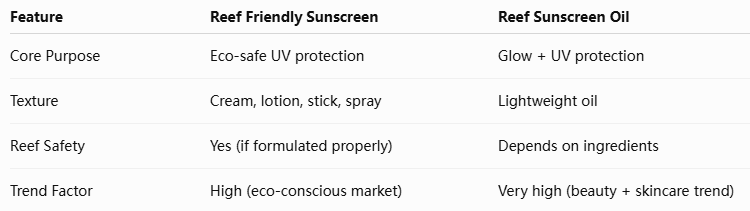
👉 Best practice: Combine both — create a reef-friendly sunscreen oil for a premium, trend-forward product.
🌱 Why Reef-Friendly Sunscreen Matters
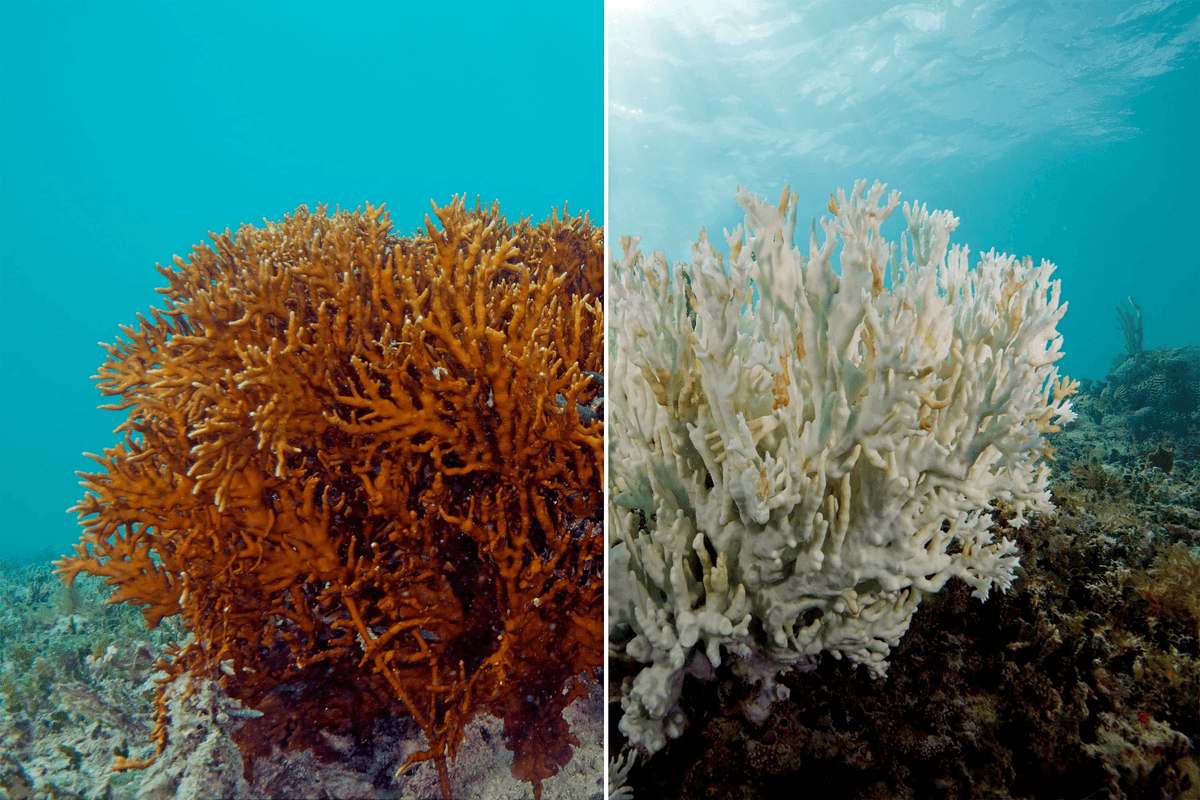
- Over 14,000 tons of sunscreen enter oceans annually
- Coral reefs support 25% of marine life
- Several regions (like Hawaii) have banned harmful sunscreen ingredients
Consumers are now actively seeking:
- Sustainable skincare
- Ocean-safe ingredients
- Transparent labeling
🏭 How Longway Supports Reef-Friendly Sunscreen Development
As a professional OEM/ODM sunscreen manufacturer, Longway helps brands tap into this growing demand with:
✔️ Advanced Formulation Capabilities
- Mineral-based SPF (SPF30 / SPF50)
- Non-nano zinc oxide formulations
- Custom textures: cream, spray, stick, and oil
✔️ Aerosol & Innovative Formats
- Reef-friendly sunscreen spray
- Lightweight sunscreen oil mist
- Travel-friendly packaging
✔️ Compliance & Certification Support
- OTC-compliant sunscreen production
- FDA-aligned manufacturing standards
- Ingredient customization for global markets
✔️ Private Label Solutions
- Low MOQ options
- Custom packaging design
- Branding support for eco-conscious positioning
🚀 Final Thoughts
The shift toward reef friendly sunscreen is not just a trend—it’s becoming a global standard. Meanwhile, formats like reef sunscreen oil are opening new opportunities for brands to stand out in a competitive market.
👉 If you’re planning to launch or upgrade your sunscreen line, combining eco-safe formulations with modern textures is the key to success.
With the right manufacturing partner, you can create products that protect both your customers’ skin and the planet.
❓ FAQs
1. Is reef friendly sunscreen 100% safe for coral reefs?
Not always 100%, but it significantly reduces harm by avoiding known toxic chemicals.
2. Can sunscreen oil be reef friendly?
Yes, if it uses mineral UV filters and avoids harmful ingredients.
3. Is mineral sunscreen better than chemical sunscreen?
For reef safety, yes. Mineral sunscreens are generally considered more eco-friendly.
4. Why is non-nano zinc oxide important?
It reduces the risk of particles being absorbed by marine organisms.
5. Are reef friendly sunscreens less effective?
No, they can provide the same SPF protection when properly formulated.
👉 Related article: